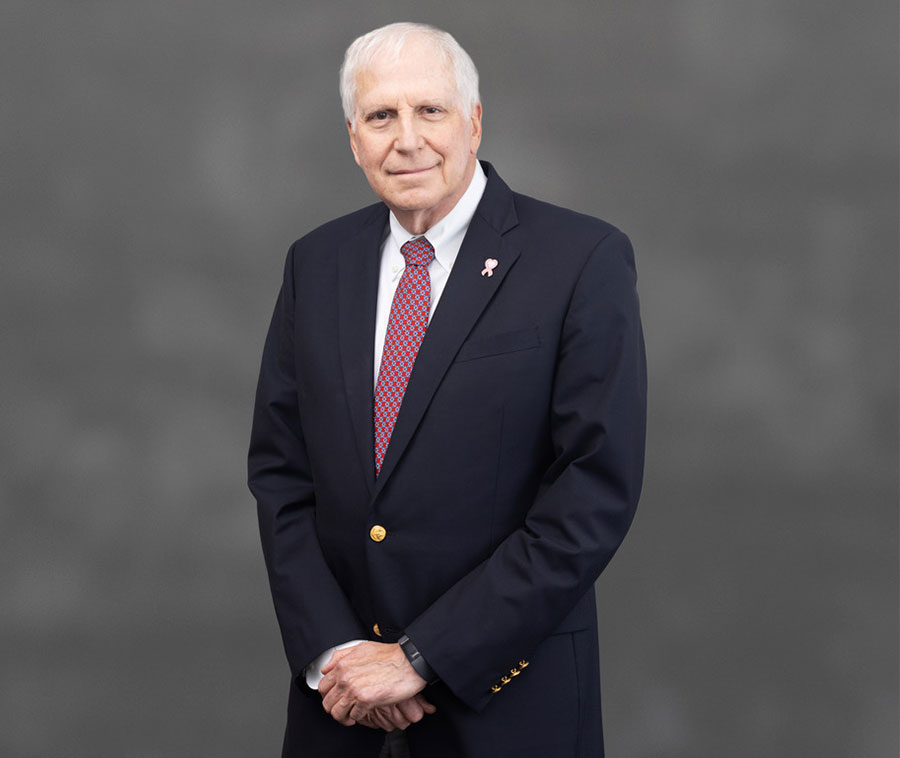
Dr. Fredric Weinbaum: Celebrating a Lasting Legacy in Patient Care
After nearly two decades of service at Stony Brook Southampton Hospital, Fredric I. Weinbaum, MD, Chief Medical Officer and Chief Operating Officer, is retiring, concluding a career marked by clinical leadership, mentorship, and a steadfast commitment to patient care.
For Dr. Weinbaum, medicine was always more than a profession—it was a calling rooted in family tradition and a deep desire to help others. “I’ve always wanted to help people and be in a helping profession, and medicine is a family business,” he shared. “My dad was a doctor, my cousin was a doctor, and my uncle was a doctor.”
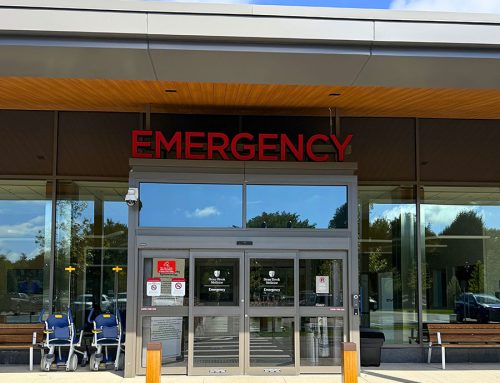
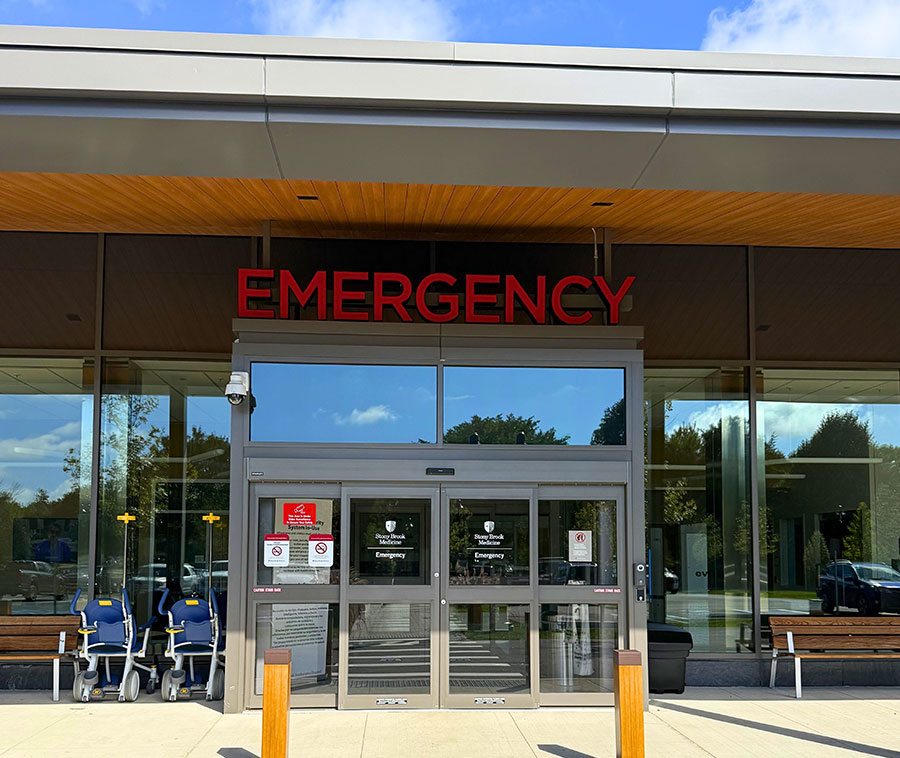
Originally brought in as a consultant to prepare for a Joint Commission survey, Dr. Weinbaum soon recognized the opportunity to make a broader impact and chose to remain at Southampton. “It turned out that this was a good destination for me because it enabled me to make a meaningful impact on both an organization and community,” he recalled. Throughout his tenure, he played a pivotal role in guiding clinical operations, supporting medical staff, and shaping programs that enhanced quality and patient experience. He contributed to important initiatives including modernizing the Emergency Department, developing multiple residency programs, securing Department of Health approval to operate the cath lab, and achieving American College of Surgeons accreditation as a Level III Trauma Center.
Dr. Weinbaum also championed philanthropic efforts and clinical partnerships that expanded essential services across the hospital. Working closely with the Board of Trustees, local leaders, hospital staff, and families such as the Gruss, Paulson, Phillips, and Fixel families, he helped advance transformative projects including the Paulson Family Emergency Department, the Audrey and Martin Gruss Heart & Stroke Center, the Tick-Borne Disease Resource Center, the Ed & Phyllis Davis Wellness Institute, the Center for Parkinson’s Disease, and the East Hampton Emergency Department. “Philanthropy and community support played a crucial role in various hospital projects,” he noted. “The most powerful thing in a hospital organization is when a group of like-minded individuals from different disciplines get together for a common purpose.”
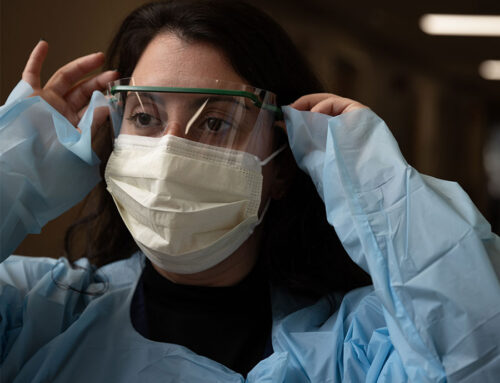
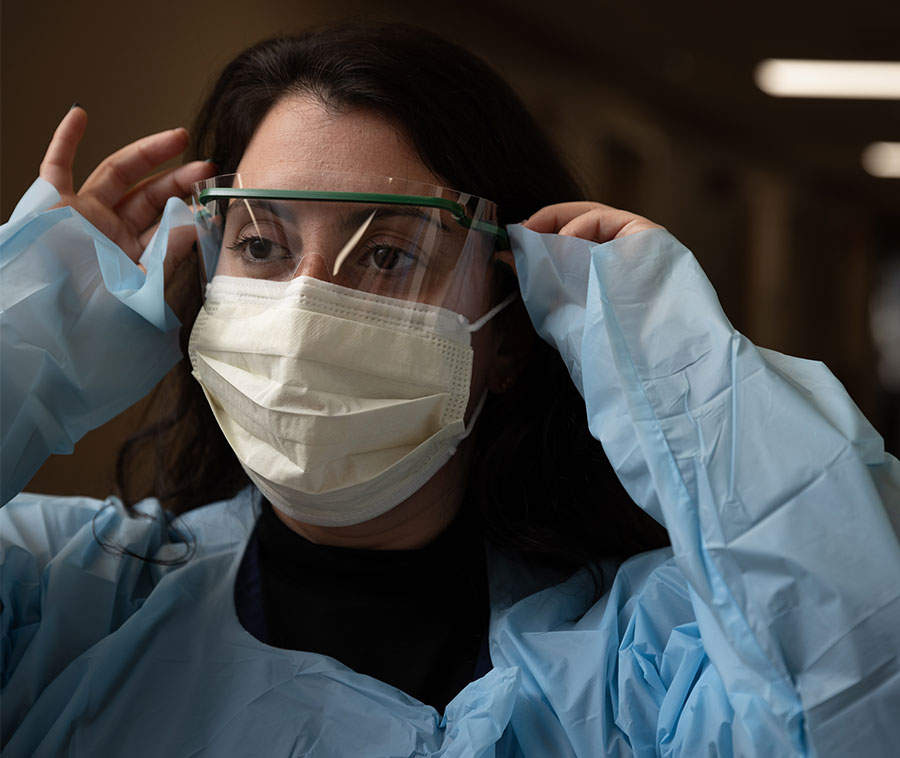
His leadership was tested like never before during the height of the COVID-19 pandemic. With the hospital stretched to capacity by patients with COVID-19, he coordinated ICU expansions, recruited specialized teams, and ensured that staff were supported under extraordinary circumstances. “It was all hands on deck,” he said, emphasizing that the hospital’s response depended on collaboration across every department—from pharmacy to laboratory—and the unwavering support of the community.
As he looks ahead to retirement, Dr. Weinbaum plans to spend more time with family, visit his soon-to-be-born first grandchild, and remain involved with local nonprofits and community boards. “I am grateful for the opportunity to work with a dedicated team and for the positive impact they have on the community,” he reflected. “It’s been one of the great joys of my life to work with the medical staff here.”
Dr. Weinbaum’s legacy endures in modernized facilities, expanded programs, and a culture of collaboration and mentorship that will continue to guide exceptional patient care on the East End for years to come.